📌TL;DR
Try these authentic Colombian dishes when visiting the Colombian coast:
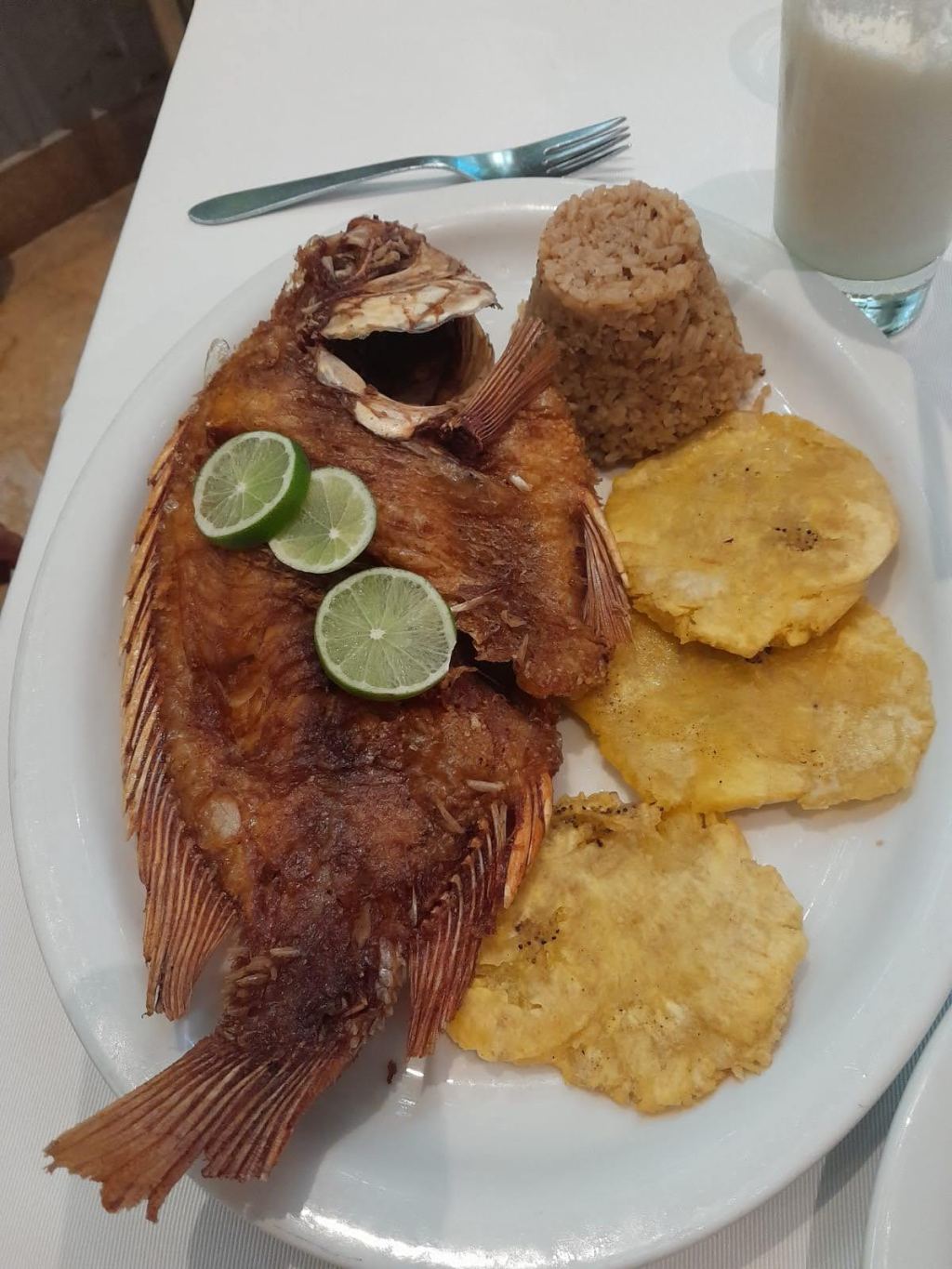
🐟 Fried fish with coconut rice and fried plantains (mojarra frita con arroz de coco y patacones)
🥟 Empanadas of all types and flavors
🧀 Fried cheese sticks (deditos), fried egg and corn patty (arepa de huevo), and fried yuca and cheese bites (carimañolas)
🍹 Refreshing frozen coconut limeade drink (limonada de coco)
🍳 Most popular breakfast: scrambled eggs with cheese, fried plantains, and corozo juice (huevos pericos con patacones, queso costeño, y jugo de corozo)
🍲 Colombian stew with meat, corn, bananas, yuca, potatoes, and cilantro (sancocho).
A drop of sweat wiggled down my forehead, onto my nose and plopped into a bowl of steaming hot soup.
It was at least 100 degrees outside (and probably 80% humidity). I was less than 100 yards from the beach. It was the end of July. And yes, I was eating a bowl of hot soup. Only a small rotating fan brought a half-second of relief every once and a while.
I’ll be completely honest with you, I was not impressed.
It was my first week in Colombia and eating hot soup on a hot summer day isn’t my type of gastronomical-explosion-of-savory-flavors.
First, a disclaimer: I was at a serious disadvantage.
Now, I moved to Colombia after living in Peru and eating like ROYALTY for an entire six months. Peru is God’s gift to gastronomy, an oasis of flavor, and the Eden of all foodies. Anywhere you eat after living in Peru will be sub-par, at best. It’s culinary anhedonia.
So, I was at a disadvantage (and yes, I did mourn the loss of deliciousness for quite a few months). But, comparison is the thief of joy. Eventually—while living in Colombia for more than two years—I started to enjoy the flavors of the Colombian Caribbean Coast. I discovered tropical combinations and unique ingredients that made these plates really stand out.
What is the Colombian Caribbean Coast?
Colombia is a culturally rich country internationally recognized for its music, coffee, and emeralds (and drugs, but that’s a story for another time). The Colombian Caribbean Coast stretches from Monteria near the Panama border through Cartagena, Barranquilla, and Santa Marta all the way up to La Guajira, the country’s northernmost department that borders Venezuela. The coastal culture is vibrant, warm, and energetic.


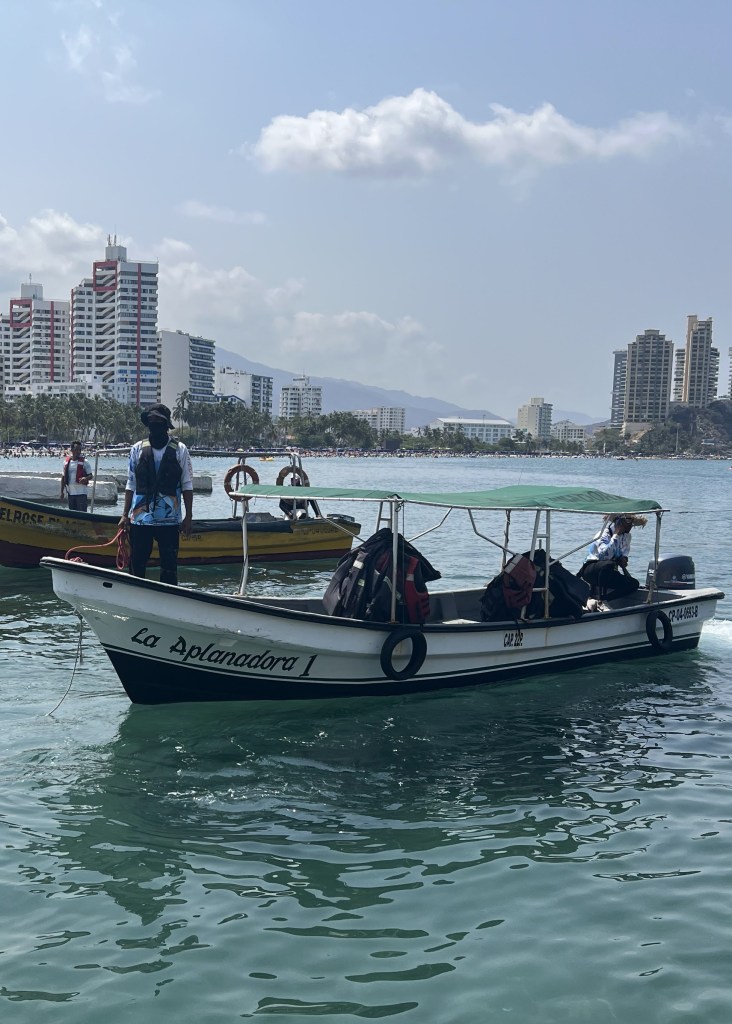
The Colombian people from these regions, called costeños, are proud of their food, their star soccer player, Lucho Diaz, their country, and their most important celebration: El Carnaval de Barranquilla, one of the biggest carnival celebrations in the world.
If you know where to go and what to ask for, you’ll enjoy trying many delicious typical treats during your time in Colombia. Here are a few things you must try:
The Crowning Dish: Fried Fish with Coconut Rice and Fried Plantains
You can’t travel to the Colombian Coast without trying this traditional dish—in Spanish, mojarra frita con arroz de coco y patacones. You’ll see it at almost every restaurant you enter. It’s a costeño favorite, and for good reason. It’s divine.

The fried fish of choice is mojarra, similar to dolphinfish or mahi-mahi in Hawaii, which can be found in both freshwater and saltwater. While there are different types of mojarra, the red one (which is actually more pink than red) is hands down the most delicious.
Colombian chefs season the fish with loads of garlic then fry it to perfection. It’s served with a uniquely sweet coconut rice with raisins and fried plantains—making for a deliciously fresh combination. The mojarra’s tender, white meat combines with the crunchy and flavorful fried fish skin—and doused with fresh lime creates a flavor that’s uniquely costeño.

Pro tip: Enjoy this plate at a beachfront restaurant—looking out at the turquoise Caribbean, while sipping on your cold drink of choice. Take it all in, because it really doesn’t get much better than that.
Fried Foods, Colombia’s Specialty
If you’re trying to keep your cholesterol levels in check, this is not for you. Fritos, or fried foods, are extremely popular for breakfast, lunch, and dinner (and all the snacks in between). You can find variations of these fried delicacies all over the country, but most will admit that the best fritos are from the Coast.
Empanadas
You’ve probably heard of empanadas before, almost every Latin American country has their own variation—but, spoiler alert… Colombia has the best empanadas. A ground corn dough is formed into little tortillas, then filled with a combination of flavor, then formed into a half-moon shape and fried to crispy gold perfection.
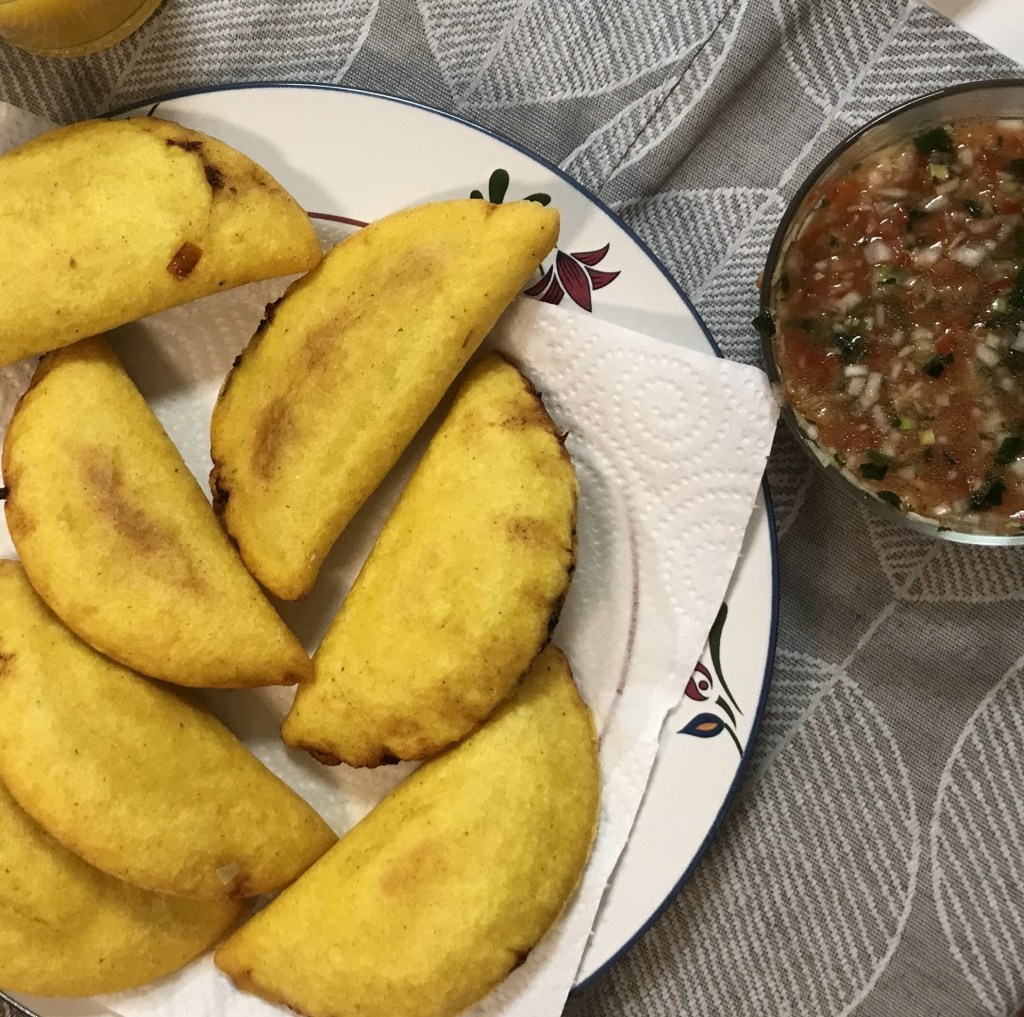
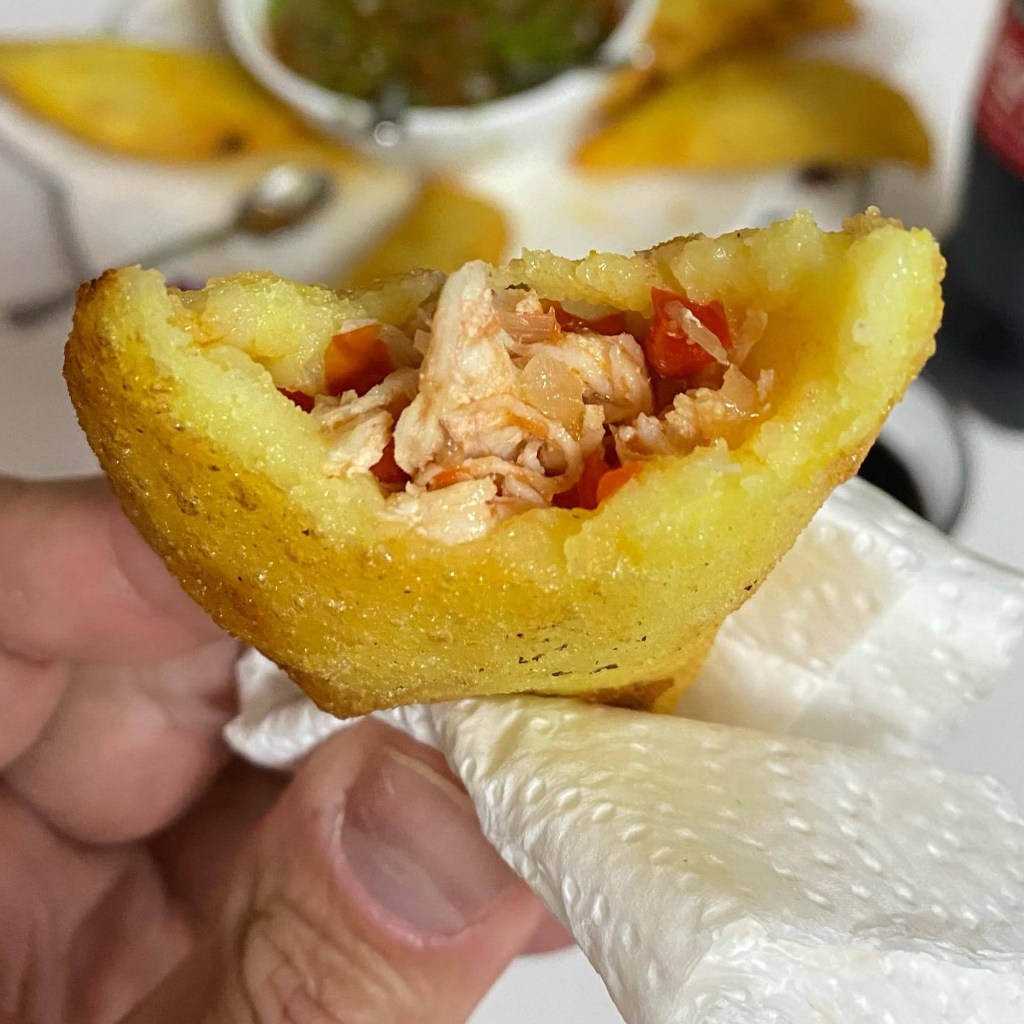
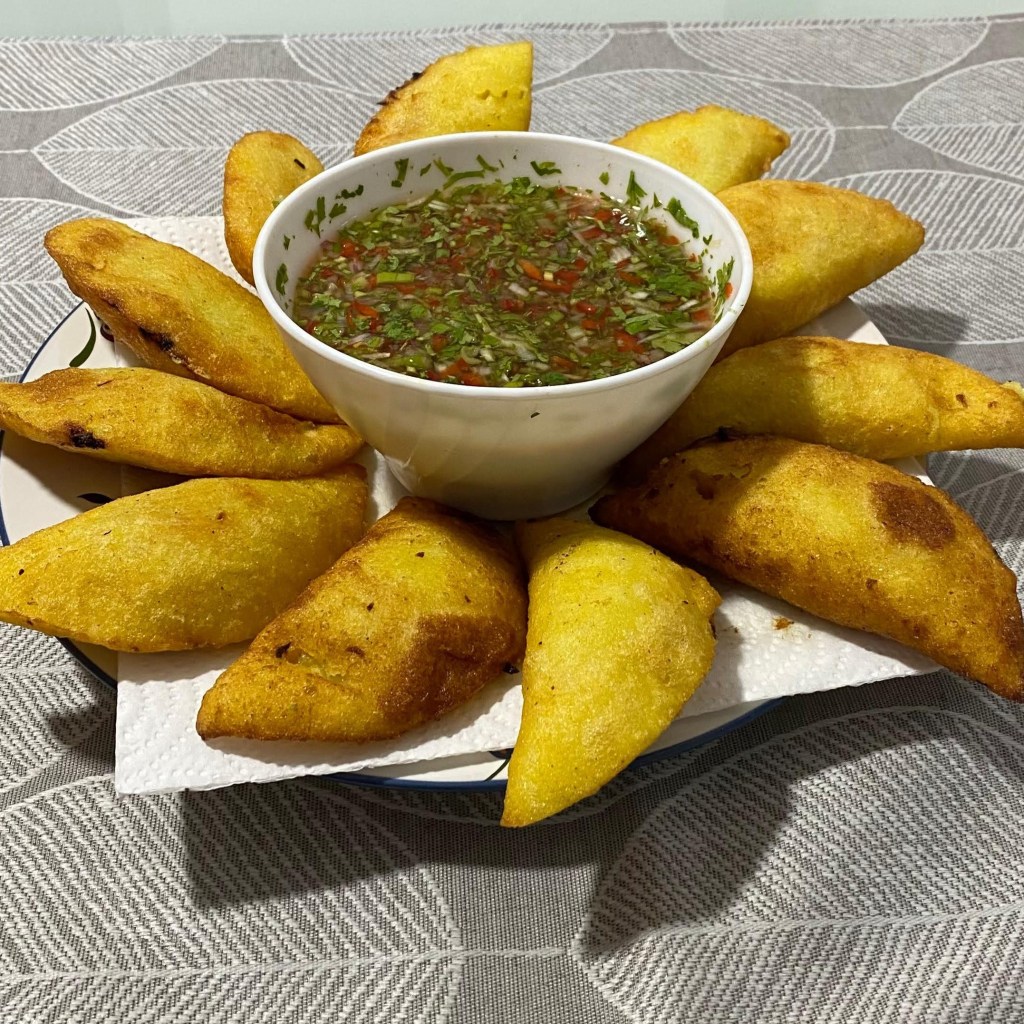
You’ll find empanadas with all types of meat, cheese, and fillings—from corn to potatoes to hawaiian-pizza styled empanadas, you could eat a different one every day and still find unique surprises.
The best place to buy empanadas are the street vendors. My favorite—of all time—is in Santa Marta in the Libano neighborhood (although the ones I bought from a dude on the side of the highway before the toll station leaving Santa Marta were also surprisingly fantastic). You can find it most nights close to the intersection of Carrera 35 and Calle 42, under a blue umbrella.
Deditos
Another fried delicacy, deditos are basically fried cheese sticks—if some unsavory, 3-inch frozen cheese sticks came to mind, I get it, but deditos are next level. They come in small (3-inch) and extra large (7- to 10-inch) versions and have soft, sweet flour-based dough that melts in your mouth.
My personal favorites are the bocadillo deditos—inside they have a delicious combination of queso costeño (fresh cheese) and melted guava jelly. The sweet and sour combo makes for an unforgettable snack.
Arepa de Huevo
Watching someone make an arepa de huevo is impressive in and of itself—and when you take your first bite you’ll be pleasantly surprised as well.
They start by making an arepa out of ground corn, and forming it into a circle a little smaller than a CD (if you remember what size those used to be). Then, they fry the dough until it’s crispy, take it out of the oil, make a tiny slit, then crack open an egg and slide it in there. They seal it up, then fry it some more until the egg inside is cooked.
This is a favorite breakfast frito and is especially popular in Cartagena. And, you can’t have a frito without dipping it in picante, spicy salsa, or suero costeño, a white dip similar to sour cream. My mouth waters just imagining a delicious empanada with some spicy picante.
Carimañolas
This fried food is unique because its dough is made up of yuca, rather than corn. Yuca, the root of the cassava plant (where tapioca comes from), is a starchy vegetable similar to a potato.
To make a carimañola, first you have to cook yuca and mash it up into a dough. Then, you’ll fill it with cheese or meat, form it into a little oval-like shape, and fry it. The result is a frito with a soft, creamy texture and melted cheese that oozes into your mouth.
There are so many more fritos in Colombia—papa rellena, buñuelos, all different types of arepas, and so much more. In Cartagena they even have the Festival del Frito, a fair where you can try all the fried Colombian treats your heart desires.
The Best Frozen Coconut Limeade (in the World)
If you like coconut drinks, you’re going to love the limonadas de coco. They’re creamy, sweet, and refreshing. I got my grandma hooked on these when she came to visit (I think she had at least one every day she was here).

Each place you try it will add their own unique flair to the recipe—some have more of a milkshake texture, some focus on the coconut flavor and put dried coconut on top, others are more citric-y and really bring out the lime.
If you’re in Santa Marta, you must try the coconut limeades at La Cocoteria—they’re fantastic (and, they have a bunch of other coconut based treats to try as well—and a super cute, vibey shop to take great pictures in).
But my all-time favorite limonada de coco is from Rodadero, Santa Marta’s most touristy beach town. You’ll want to head straight to Karey, take a beachfront seat, and pair your limonada de coco with a delicious seafood plate. You won’t be disappointed.
The perfect breakfast combo: Scrambled eggs with fried plantains, fresh cheese, and corozo juice.
Huevos pericos con patacones, queso costeño, y jugo de corozo. Colombia’s (upleveled) version of scrambled eggs is huevos pericos: eggs combined with a tangy onion-garlic-tomato mix and paired with fried plantains covered in delicious costeño cheese.
Queso costeño is an essential staple in the Colombian Caribbean Coast gastronomy. This white, salty cheese is used to make many other popular dishes, like mote de queso, and is an indispensable topping for dishes like salchipapa, and cayeye.
This delicious breakfast just wouldn’t be complete without jugo de corozo, a delicious juice made from the corozo fruit, a small, purple-red, cherry-like fruit that’s native to Colombia. This exotic tropical fruit drink is sure to impress.
And Yes, Sancocho—Hot Soup For a Hot Day
The Colombian Caribbean coast is constantly hot and constantly humid—except for two minutes of cool after it rains, sometimes. If it rains during certain times of the year, sometimes it’s even hotter after it stops raining.
But that doesn’t stop the costeños from cooking up a hot soup to enjoy in the middle of the day. They call it sancocho, and it’s a hearty stew made up of meat, corn, bananas, yuca, ñame (similar to yuca), potatoes, and cilantro. Served alongside a plate of rice and an avocado, this dish will fill you up—and make you sweat (if you weren’t already sweating).

At first, I didn’t understand eating soup in 100 degree weather. But after gathering with friends and family to eat homemade sancocho cooked on a wooden fire down by the river, I got it. You see, sancocho is a dish made to share. You make it in a huge pot, invite everyone you love, and enjoy not just the soup, but the company too.
And don’t forget to try…
These popular dishes are a few of my personal favorites—but there are many more. And this guide to food on the Colombian coast wouldn’t be complete without mentioning the famous pan de bono—a cheesy, light, and airy Colombian bread that melts in your mouth.

Or butifarra, a spicy little sausage sold by street vendors in Barranquilla, doused in lime juice and absolutely fantastic. This sausage is great for barbeques, salchipapa, and just straight off the street.
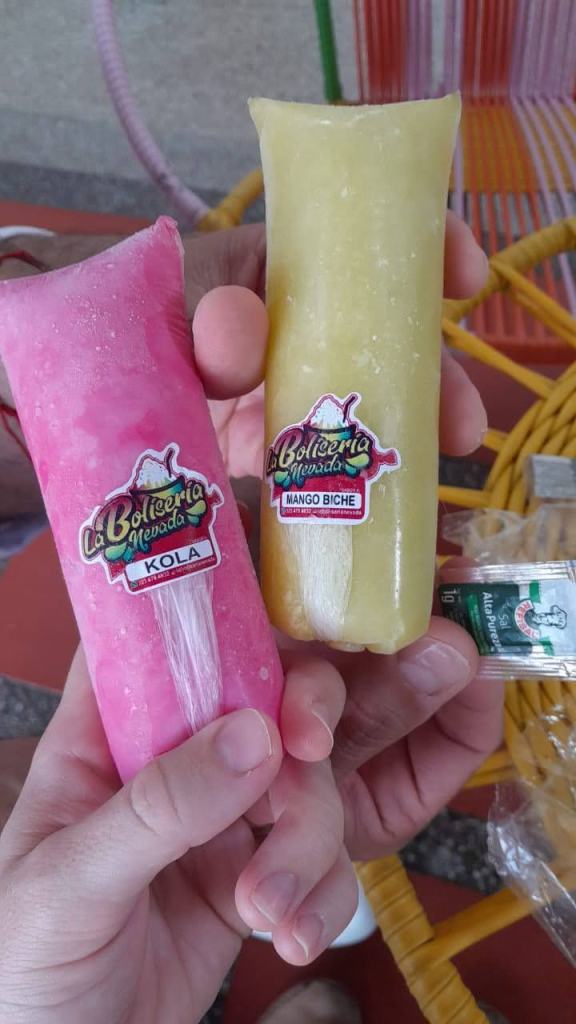
And bolis! These Colombian popsicles come in all flavors—coconut, lime, corozo, oreo, zapote, cookies, passionfruit, and a unique pink flavor called kola con leche. They’re the perfect afternoon snack on a hot day (which is every day on the Colombian coast), and only cost about $0.50 a pop. If you’re scared to buy them off the street, check out La Boliseria in Santa Marta—all the flavors are delicious (coconut is my favorite).
From a seemingly endless amount of unique tropical fruits to crazy street food combinations, there are just so many flavors to try on the Colombian Caribbean Coast.
 Emily Eats Everywhere
Leave a comment